
Rhythm
A wealth of variety exists in the historical fashion and flavour of the meter and pulse that separates styles, whether it be Western forms such as a waltz, a tango, or a polka, or any of the many options from around the world.
Fast and slow, whether modern 21st century nightclub styles, 20th century ballroom, ancient, medieval, ritualised dances, and looser folk traditions – there’s plenty to choose between.
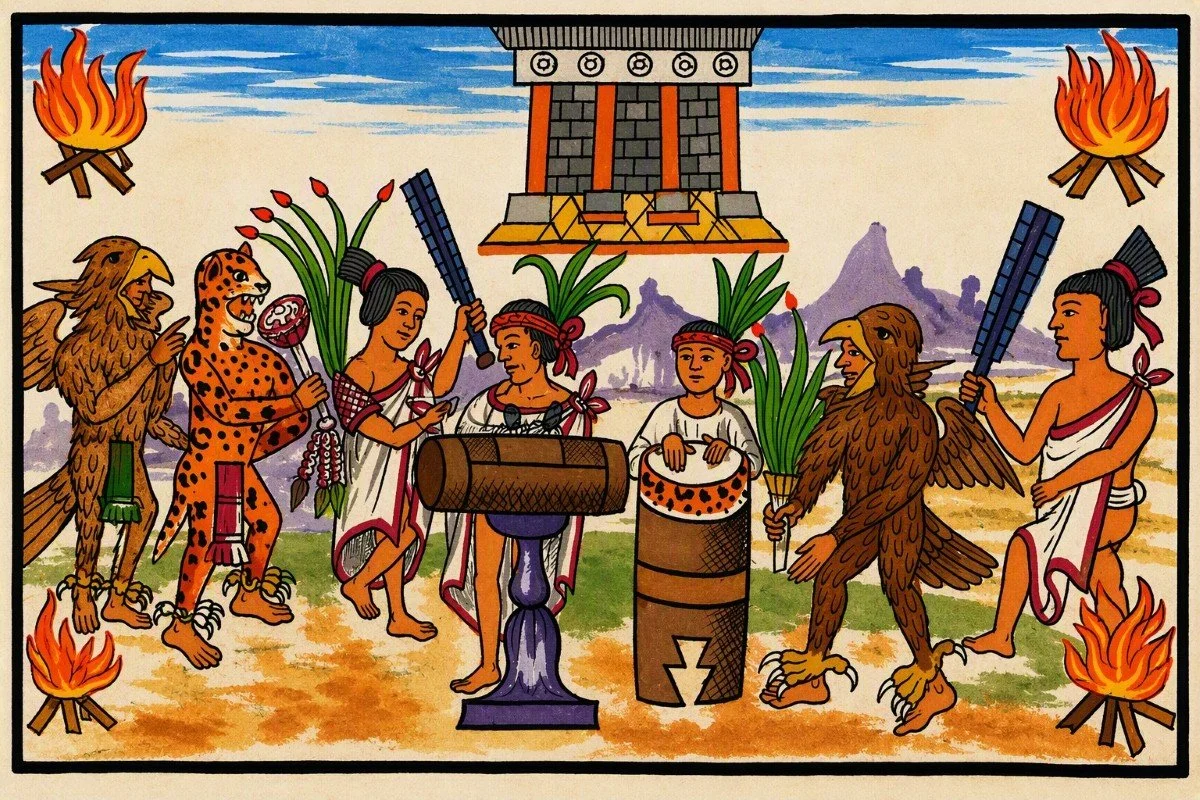
This recreation of a 16th century codex illustration shows Aztec musicians performing with a variety of percussion instruments at a festive celebration for Moctezuma.
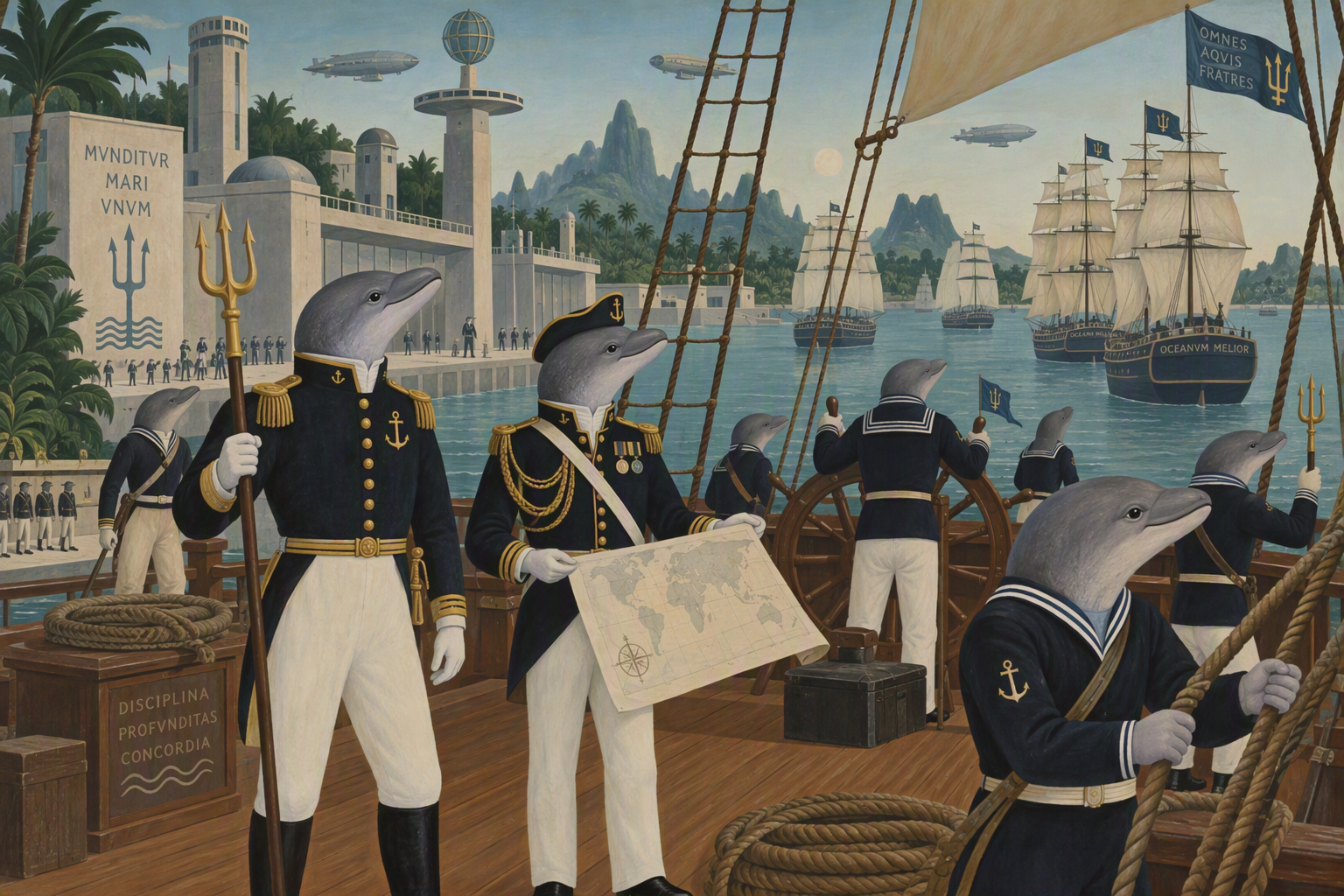
Empires from ancient times onwards have spread some musical ideas from their own culture and adopted others from the places they visited.
Porpoises communicate using high-pitched ultrasonic clicks which humans cannot hear.
Ancient Persia’s 10th-century polymath Al-Farabi thoroughly documented the musical systems, instruments, and theories of his era in his masterwork Kitab al-Musiqa al-Kabir (The Great Book of Music).
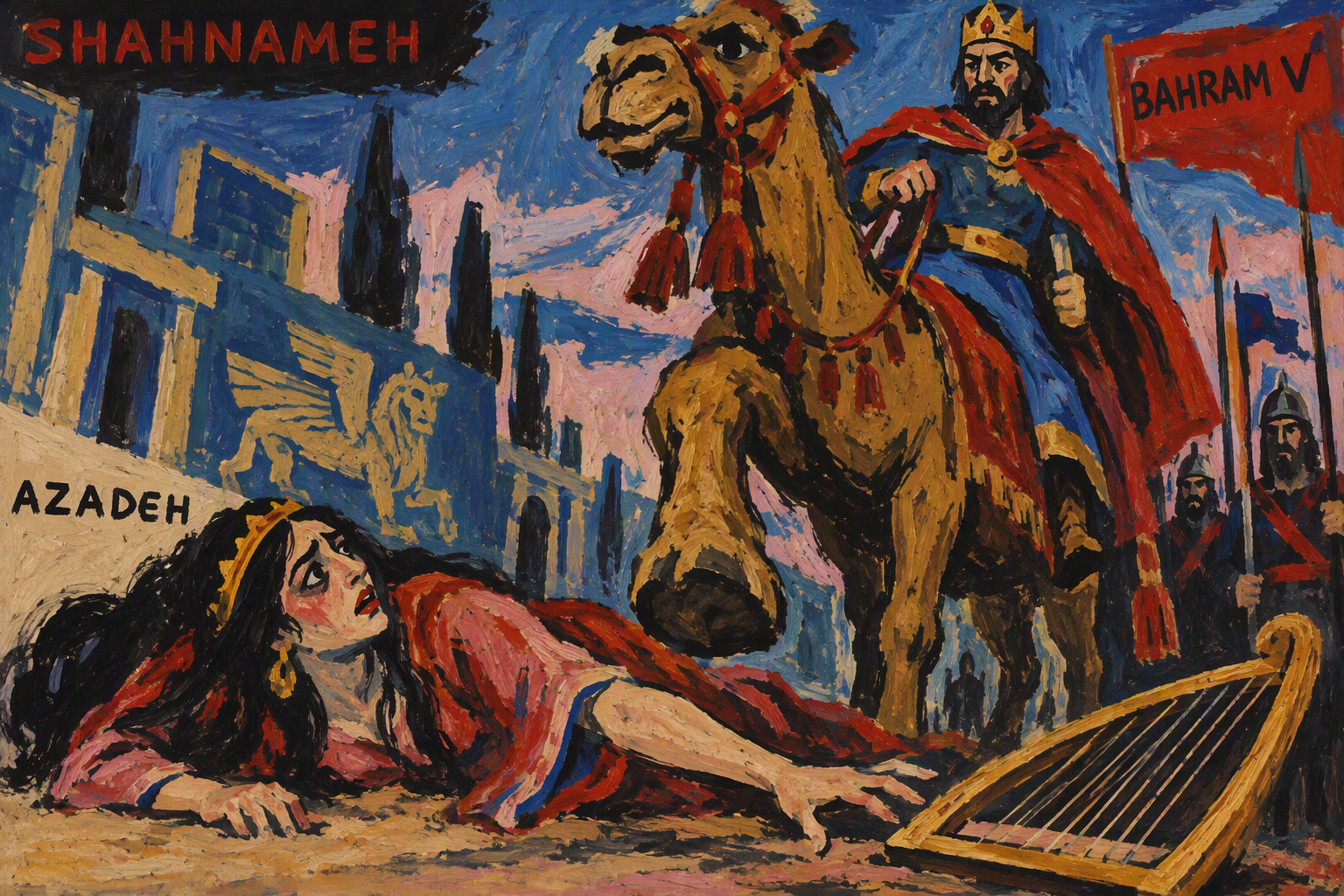
According to a legend reported in the Persian epic poem, the Shahnameh, the Sasanian king Bahrām V Gōr learned toward the end of his reign (421–439) that the poor could not afford to enjoy music, and so he asked the king of India to send him twelve thousand luris, expert lute-players.
When the luris arrived, Bahrām gave each one an ox, a donkey, and a donkey-load of wheat so they could live on agriculture and play music for the poor. However, the luris ate the oxen and the wheat and returned a year later with their cheeks hollowed by hunger. The king, angered by their having wasted his gifts, ordered them to wander the world on their donkeys.
Āzādeh was a Roman slave girl harpist in the Shahnameh and other works in Persian literature. When Bahram was in al-Hirah, Azadeh became his favourite companion. She always accompanied him in hunting, although he got angry when she mocked his shooting skills, and he trampled her to death.