Sound
Timbre
Dynamics
Texture and Fabric
Potentially the greatest musical development of the twentieth century was made possible through technological advances achieved in the field of professional audio engineering. From multi-track recording, to stereo home hi-fi systems, to digital sampling, storage and streaming. Here at Intense Porpoises, there is a special place in our hearts for guitar pickups, amplifiers, and effects pedals. Although we probably won’t ever have enough time to fully explore the detailed science behind all of the many options, we intrinsically recognise the huge palette of different sounds available – and we strive to tastefully use a wide selection when suitable. Our work seeks to be varied and unpredictable – but generally not entirely chaotic.
Chronology
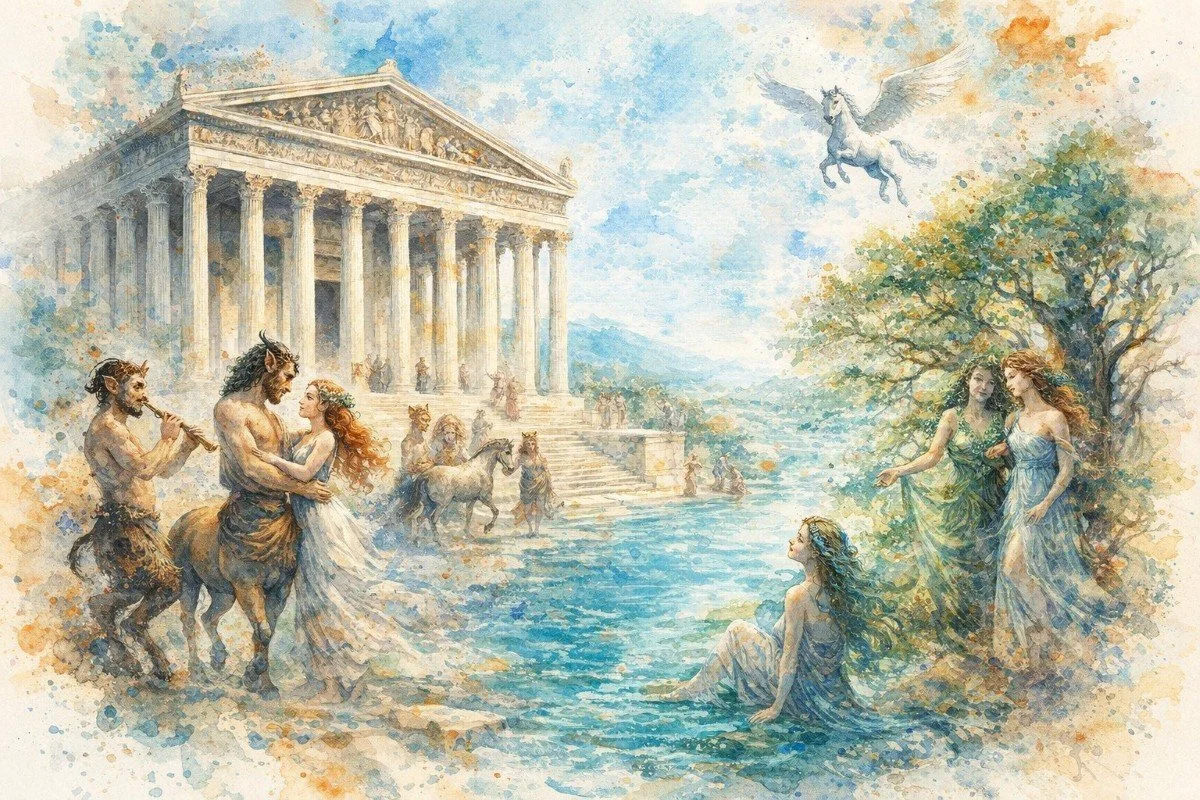
Structures of Western European music originated in Ancient Greece

Luys de Milan was an early composer for vihuela
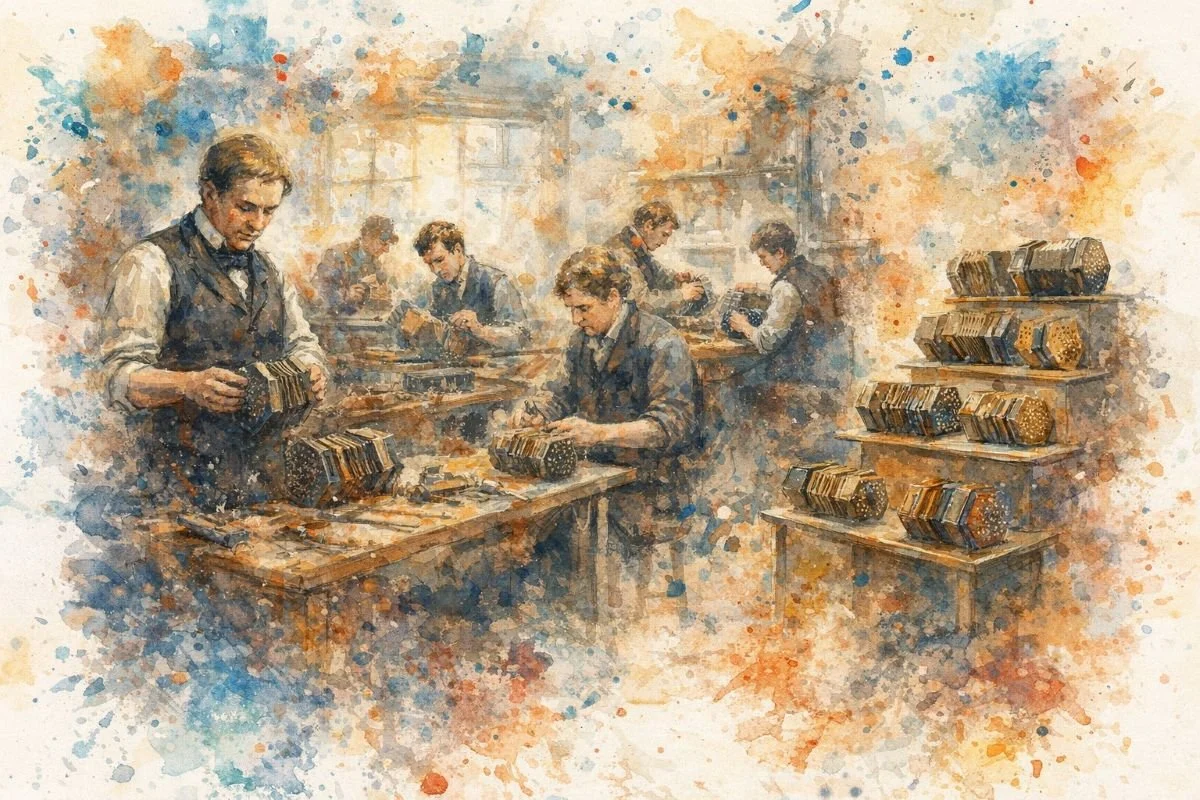
Charles Wheatstone developed a system of buttons for the concertina
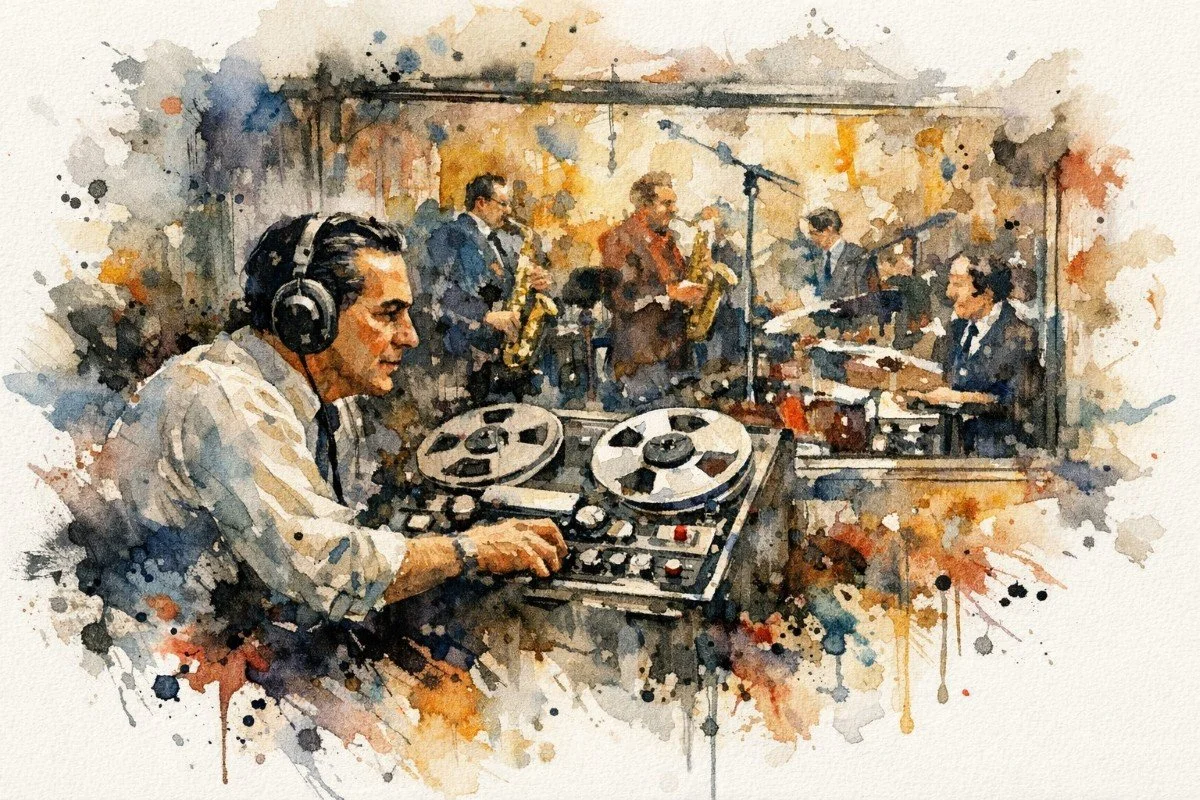
Audio engineers like Val Valentine improved recording quality

Medieval scholars such as Guido of Arezzo documented concepts
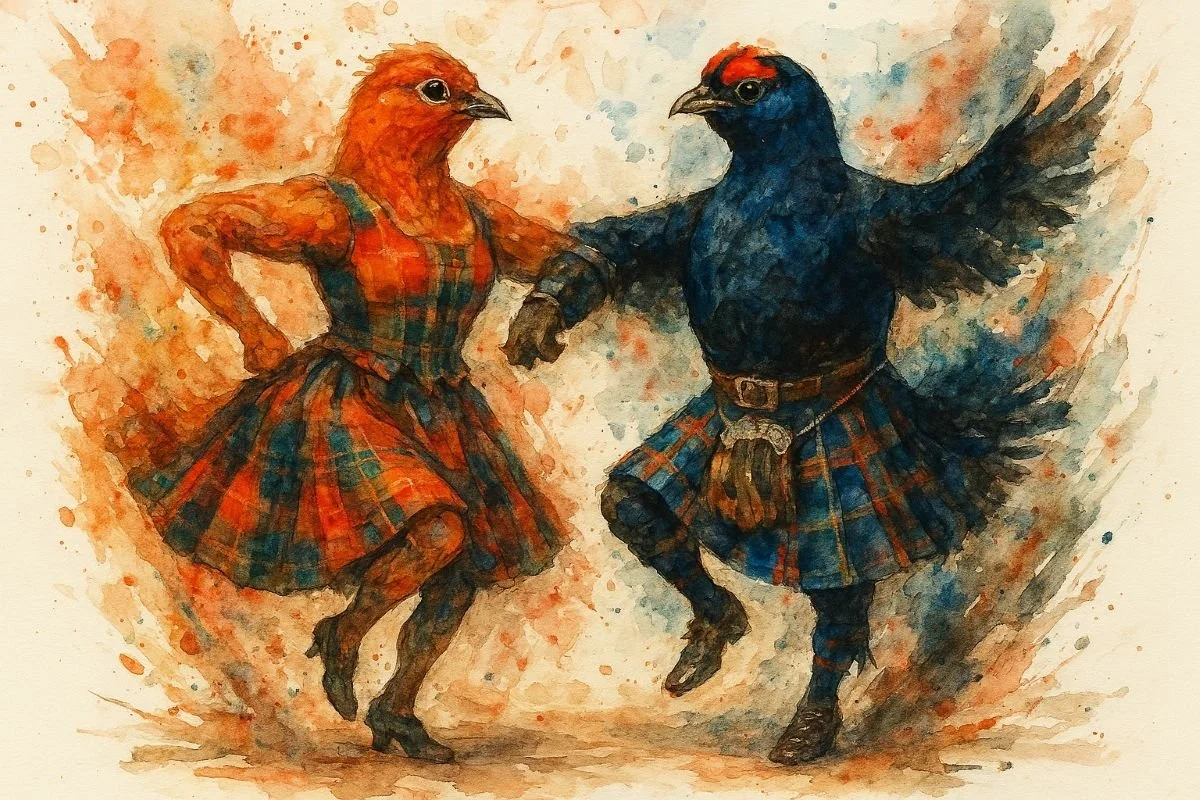
Many forms of music support specific styles of dancing
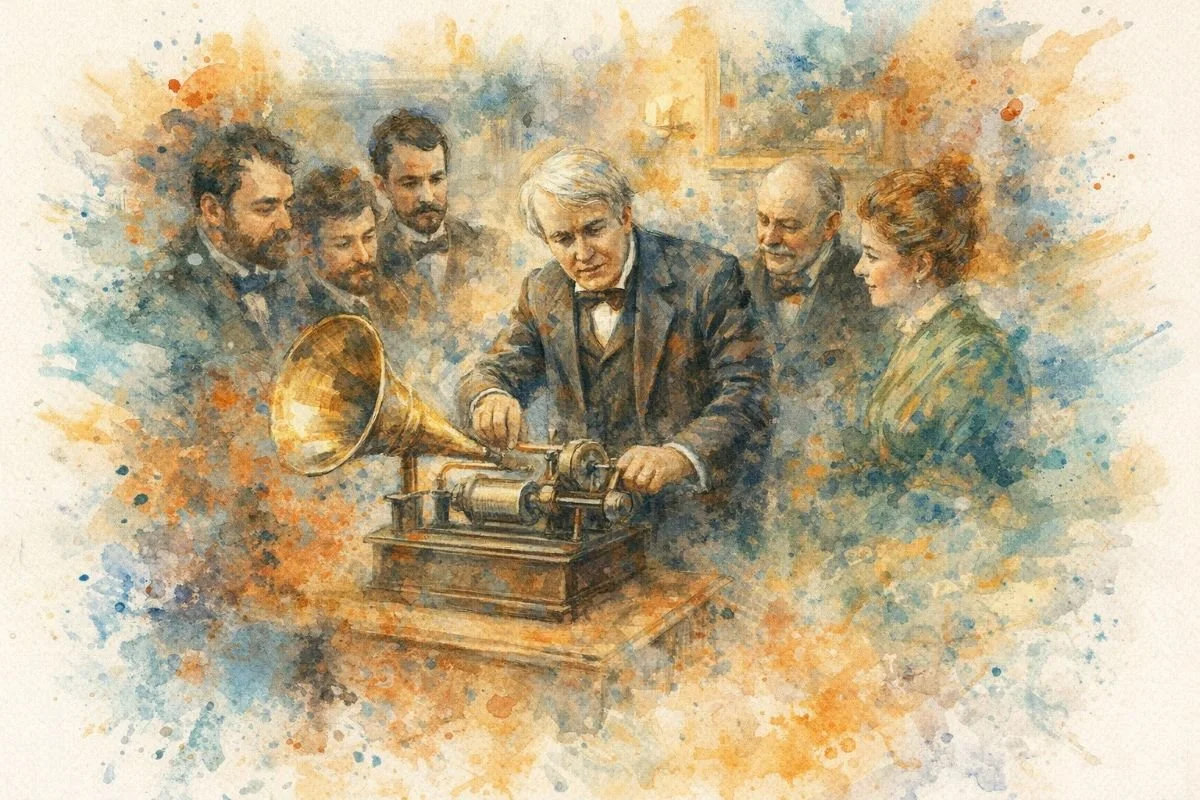
Thomas Edison developed the phonograph in the late 19th century
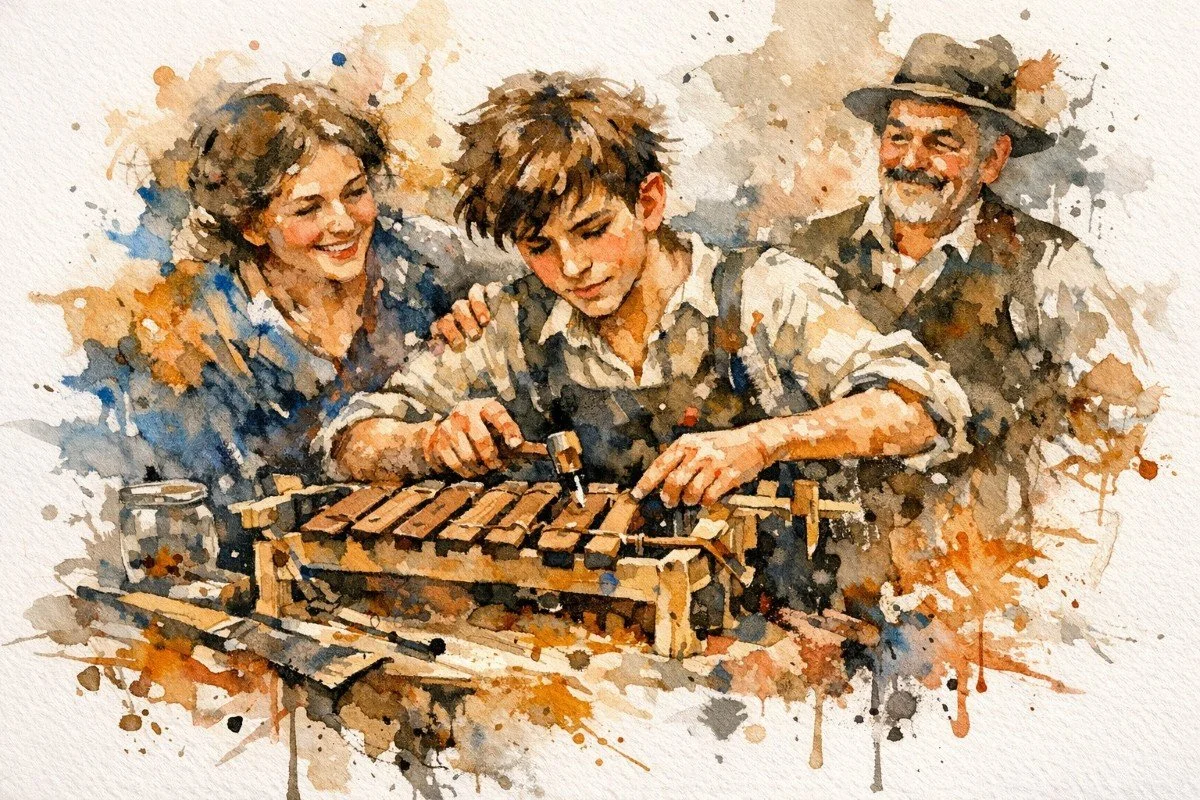
Harry Partch built his own instruments with his own tuning system
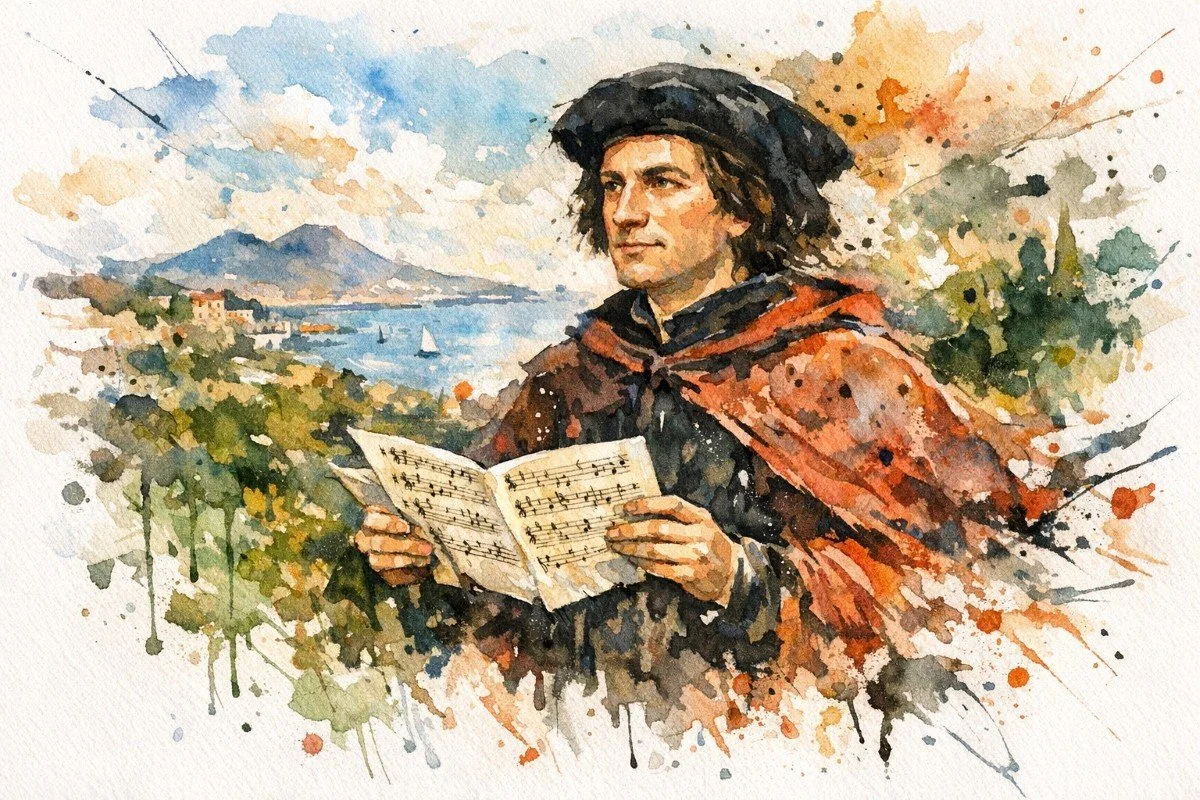
Johannes Tinctoris improved on earlier ways of notating music
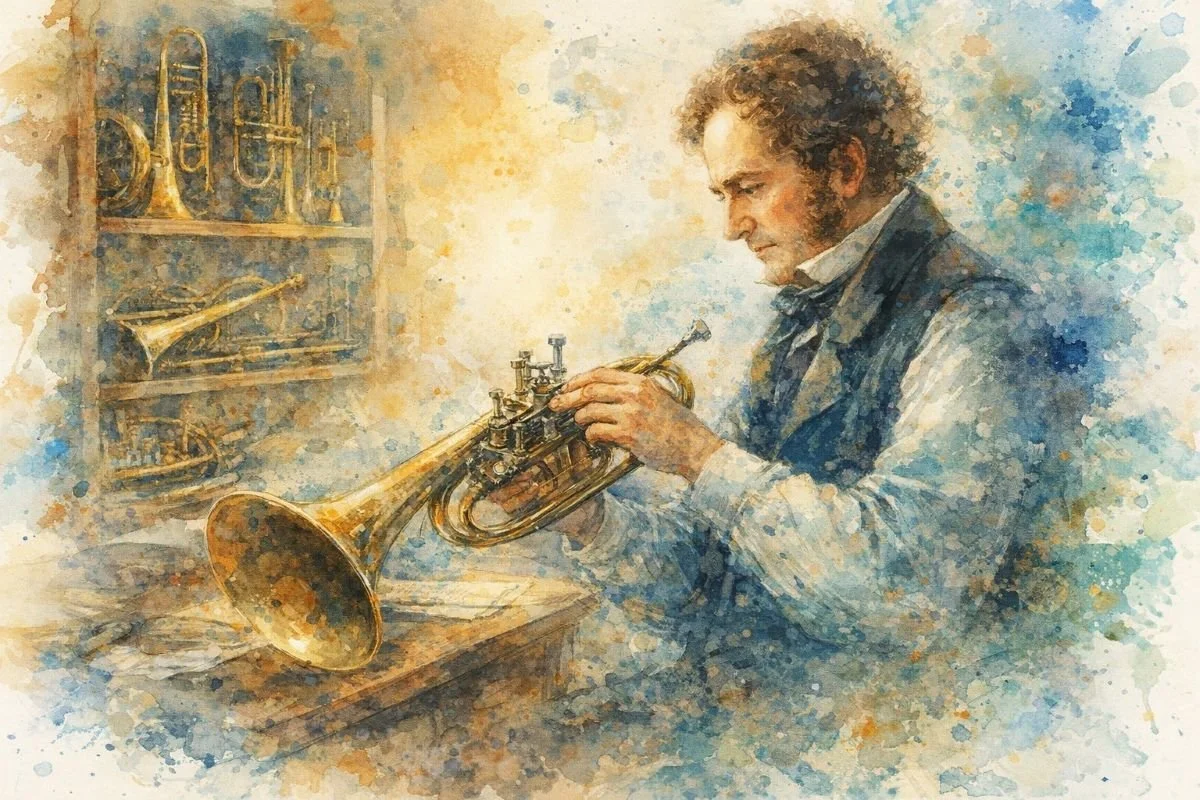
Brass instruments gained valves in the early 19th century

1910’s Firebird ballet introduced Modernist ideas to audiences
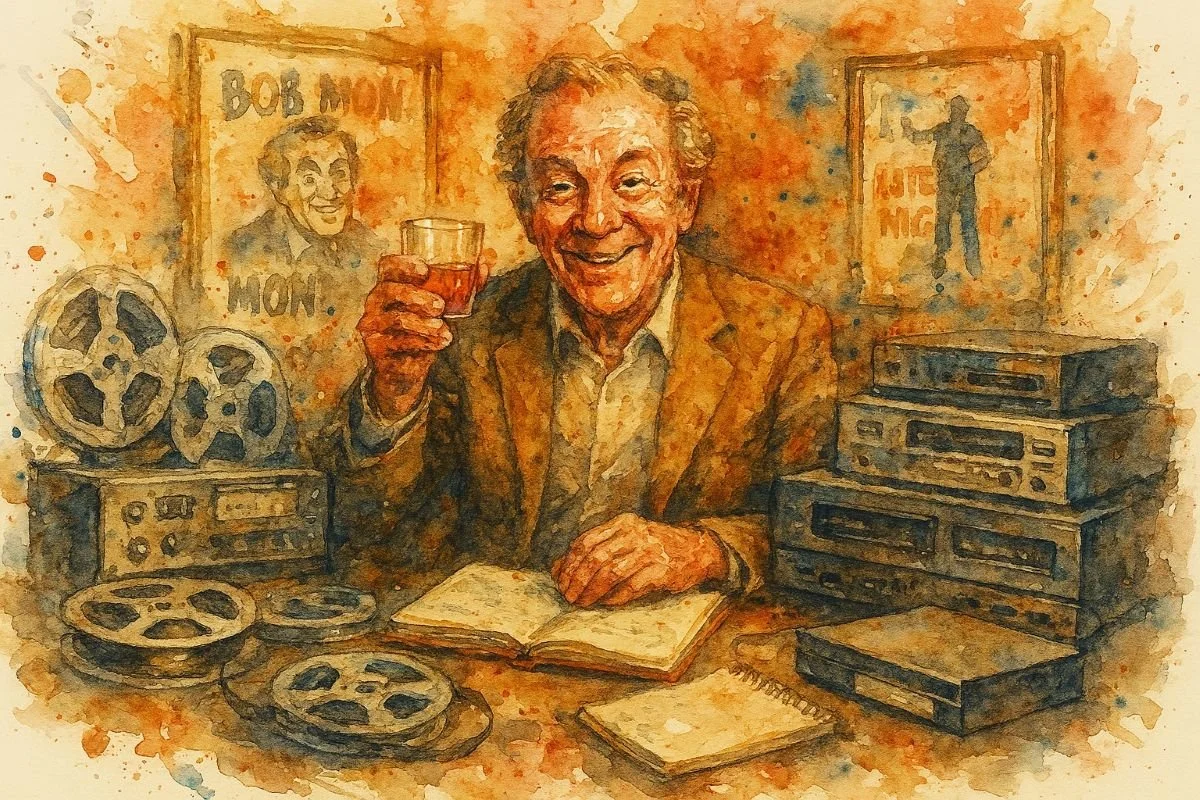
Bob Monkhouse collected audio-visual recordings of broadcast shows